
October 7, 2018
FROM SOYBEAN TO TEMPE AND TOFU : Preserving Indonesia’s intangible cultural heritage
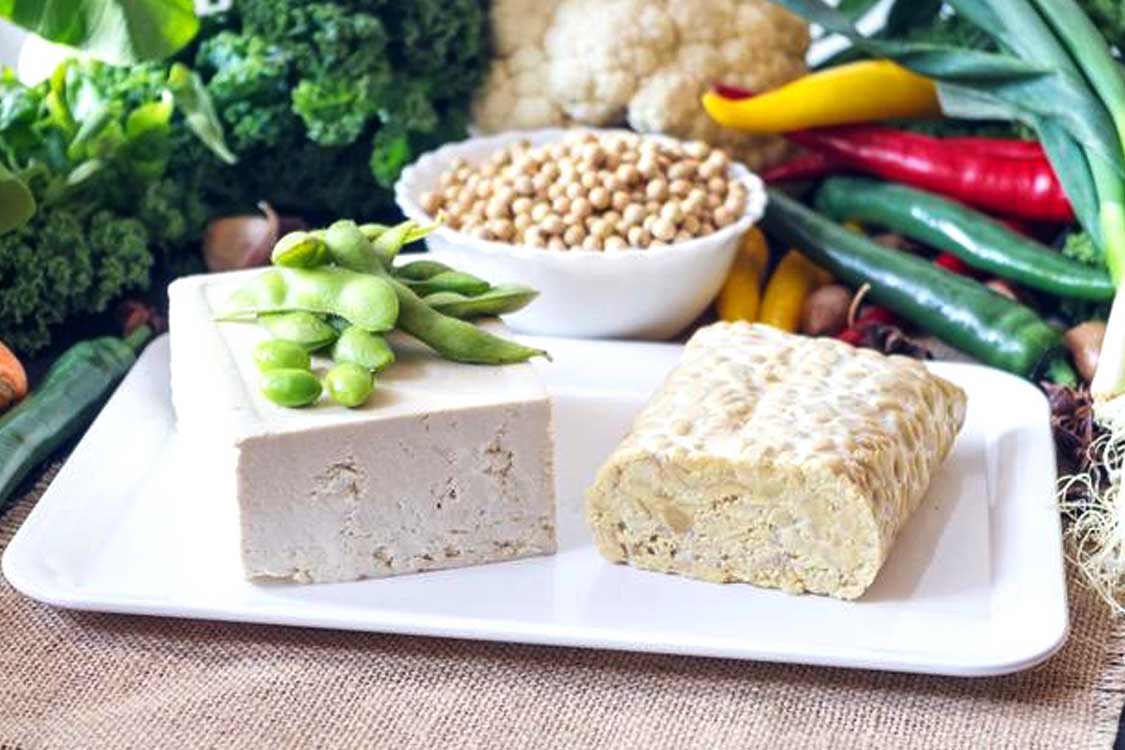
Both Tempe and tofu have played pivotal role in some key aspects of the life of Indonesian people that include income and job generation, nutritional adequacy as well as cultural preservation. Indonesia Small and Medium Enterprises Survey (2015) published by National Statistical Agency ( BPS) shows more than 450,000 households earned their income from producing both Tempe and tofu. On other notes, BPS National Social Economic Survey 2017 showcased significant contribution of these traditional soy food products to household nutrition intake. Tempe and tofu accounts for around 15% of total non-rice daily protein intake among 40% poorest population in Indonesia. As opposed to tofu that has strong connection with Chinese culture, Tempe is a unique fermented soy food that has become part of Indonesian culture, especially among the Javanese people for centuries. The practice of consuming and making Tempe has been around since the 17th century in Java Island. From that viewpoint, the hundred thousand of Indonesian people involved in the daily activity of making Tempe (not to mention millions of them that eat Tempe everyday) is the collective efforts to preserve one of Indonesian’s intangible cultural heritage. Tempe was recognized by the Government of Indonesia as a national cultural heritage in October 2017.