October 7, 2018
SOY GOODNESS
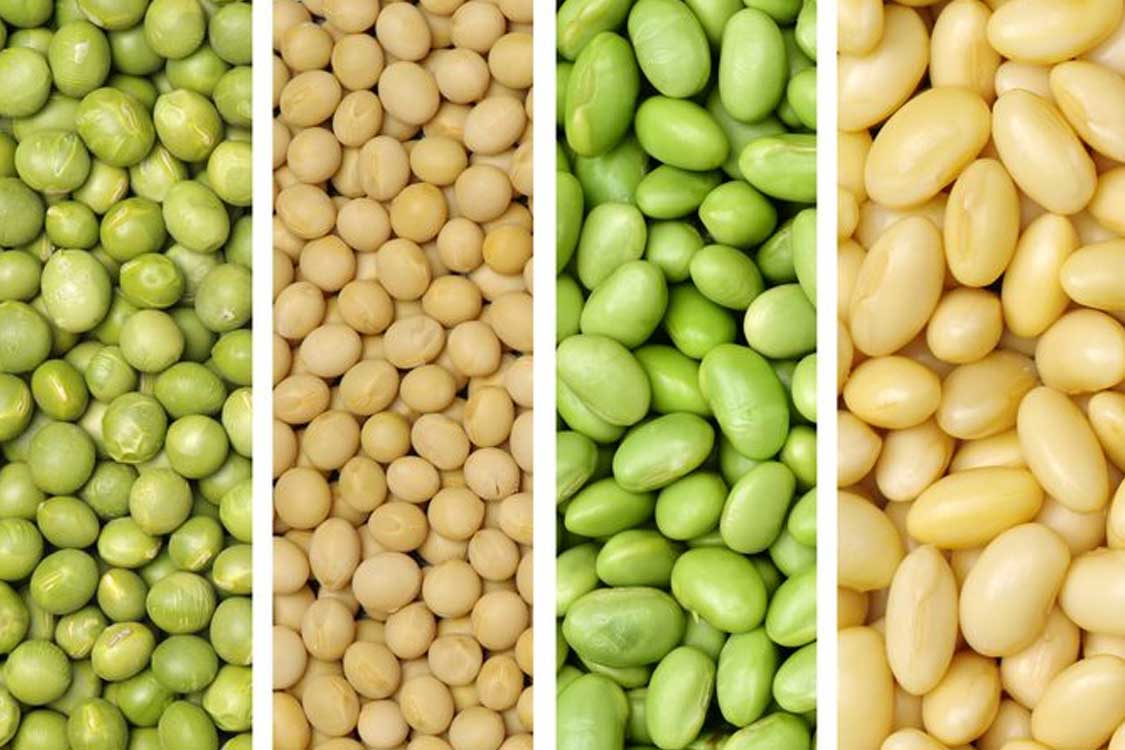
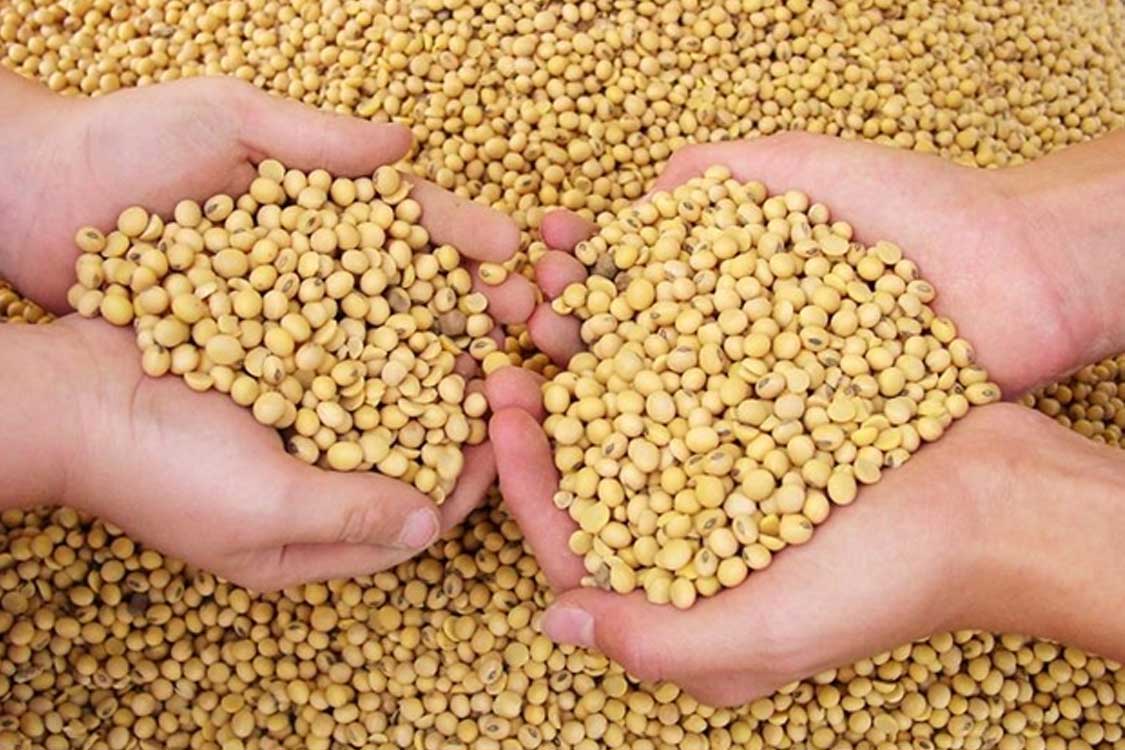
A staple food item in the Asian diet for thousands of years, the multi-faceted soybean is an excellent source of good quality protein and is complete with all nine essential amino acids. Soybeans are low in saturated fat as they consist mostly of polyunsaturated fat, thus are good sources of essential omega-3 fatty acid. Being plant-based, soy products are hence naturally cholesterol free. The soybean is also a source of calcium, which contribute to better bone health. In addition, soy products are good sources of fiber and a variety of vitamins and minerals such as folate and potassium.
Soy products are unique because they are excellent sources of isoflavones, a group of naturally-occurring plant chemicals. Research has found that the consumption of soy isoflavones may help in reducing the risk of breast cancer, heart diseases, osteoporosis, and help alleviate menopausal symptoms. Evidence suggests that breast cancer protection results from early exposure to soy foods during adolescence. In addition, soy products also reduce the chances of breast cancer recurrence. Soy has been termed a heart healthy food source, as it can help to lower blood cholesterol levels in the body. Studies have found that women who consumed high amounts of soy products were one-third less likely to experience a bone fracture than women who consumed less. Soy isoflavones may also alleviate post-menopausal discomfort such as night sweats and hot flushes.
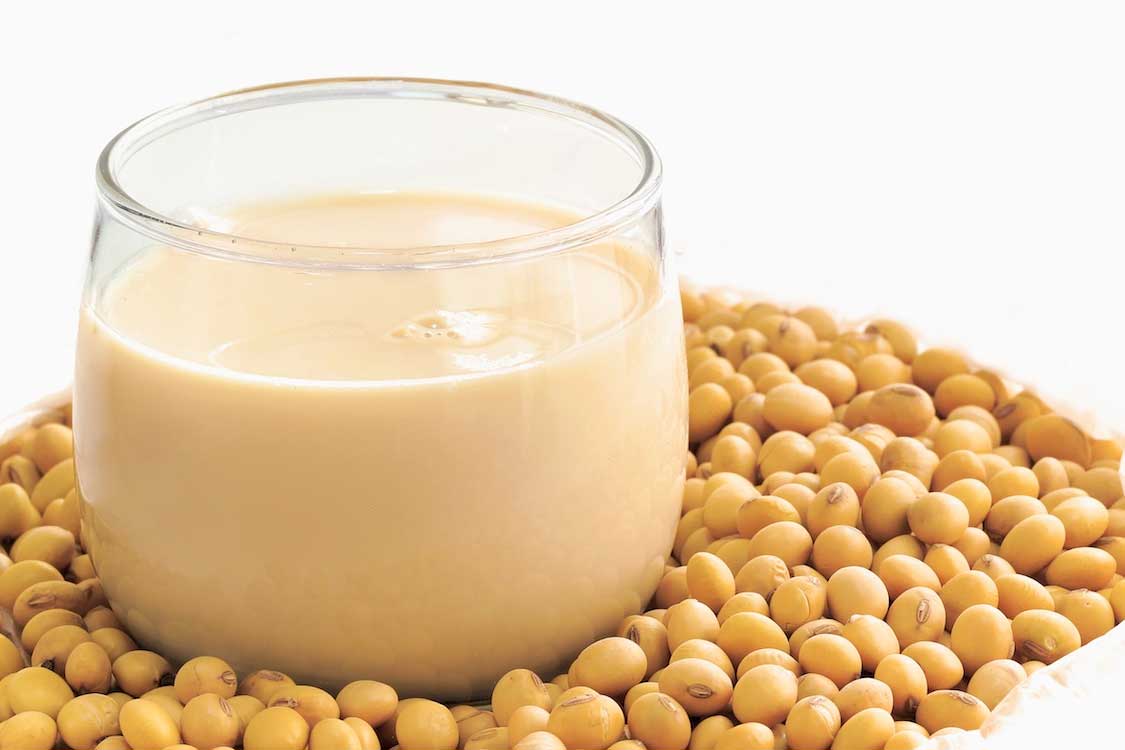
Some common soy food products include soybeans, tempeh, beancurd, edamame, and soy beverages such as soy milk. It has been recommended that having two to three servings of soy products a day is beneficial for health. The US Food and Drug Administration (FDA) have concluded that 25 grams of soy protein per day as part of a diet low in saturated fat may reduce the risk of heart diseases. Some examples of the soy products with the protein content in one serving are listed in the table.
| Soy Foods | Per serving | Protein (g) |
|---|---|---|
| Beancurd, firm (Tofu) | 1 whole (147 g) | 16.0 |
| Beancurd, soft (Tawkwa) | 1 piece (152 g) | 12.3 |
| Edamame, green, boiled | 1 cup (180 g) | 22.2 |
| Soy beancurd, with syrup | 1 portion (537 g) | 12.4 |
| Soybean curd, stand, dried (Foo jook) | 1 strip (15 g) | 6.8 |
| Tempeh | 1 piece (37 g) | 5.9 |
| Fresh Soybean drink | 1 cup (250 mL) | 6.5 |
| Packaged Soybean milk (chilled) | 1 cup (250 mL) | 8.80-10.8 |
| Packaged Soybean milk (non-chilled) | 1 cup (250 mL) | 3-6.3 |
| Soy milk powder | 1 sachet (30 g) | 6.5 |
| Soya Bean, white, boiled | 1 cup (173 g) | 28.7 |
Sources: Health Promotion Board & Singapore Food Composition Guide
Sources:
https://www.dietitians.ca/Your-Health/Nutrition-A-Z/Soy/Health-Benefits-of-Soy.aspx
https://www.ucsfhealth.org/education/soy_good_food_for_your_health/index.html
http://goaskalice.columbia.edu/answered-questions/what-are-benefits-soy
Lee, S.A., Shu, X.O, Li, H. Yang, G. Cai, H. Wen, W. Ji, B. Gao, J.,Gao, Y. and Zheng, W O (2009). Adolescent and adult soy food intake and breast cancer risk: results from the Shanghai Women’s Health Study. Am J Clin Nutri, 89: 1920-1926