October 3, 2018
FAT PROFILE IN SOYBEAN
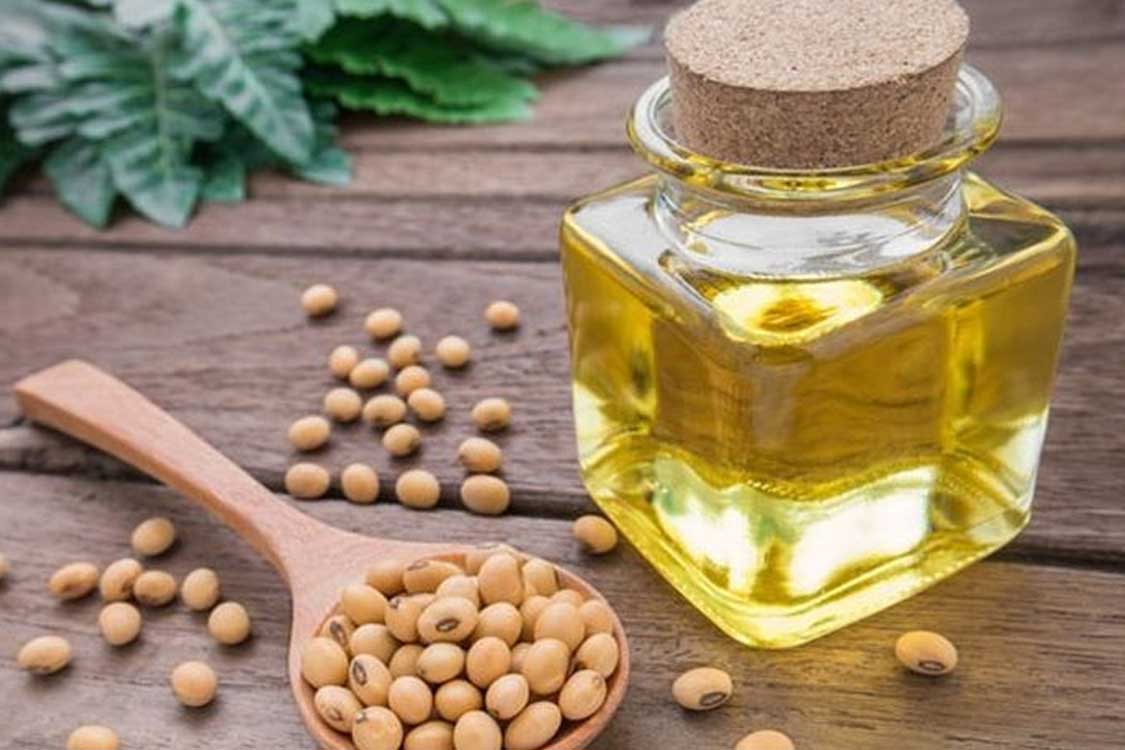
The composition of macro nutrients in soybeans is different from other legumes. Soybeans have high fat and protein content and are relatively low in available carbohydrate. The fat content in soybean ranges from 16-20%, and is mainly in the form of fatty acid chains. In addition to fatty acids, soybean oil also contains natural antioxidants such as tocopherols and phytosterols. Tocopherols are a precursor of vitamin E, a type of fat soluble Vitamins. Lecithin could also be recovered from the extracts of soybean oil processing and it can function as an emulsifier which can then be used in the processing of food, medicine and other applications.
Different type of soybean variety may have a different fat content and fatty acid composition. The fat in the soybean is usually extracted so that it becomes soybean oil. The soybean oil consists of various types of fatty acids. In soybean oil, around 10-15% are saturated fatty acids, 19-41% mono-unsaturated fatty acids (MUFA) and 46-62% polyunsaturated fatty acids (PUFA). PUFA consists of essential fatty acids omega-6, namely linoleic acid and lnolenic acid, and essential fatty acids omega-3. The omega-6: omega-3 ratio is between 5-13: 1.
Table 1. Fatty acids composition in soybean oil (%)
| Types of fatty acids | % | |
| Saturated fatty acids | 15.6 | |
| – Palmitic acid (% of saturated fatty acids) | 73.4 | |
| – Stearic acid (%of saturated fatty acids) | 24.7 | |
| MUFA (oleic acid) | 23.8 | |
| PUFA | 60.7 | |
| – Linoleic acid (% of PUFA) | 88.2 | |
| -α-linolenic acid (% of PUFA) | 11.8 | |
Soybean oil for human consumption is available in the form of cooking oil / salad oil (48.3%), shortening (45.4%), margarine (5.2%) or other forms (1.1%). Several attempts have been made to develop soybean plants with fatty acid profiles that meet the need for food processing as well as human nutritional needs.