October 3, 2018
LET’S DISCOVER SOYBEAN PRODUCTS
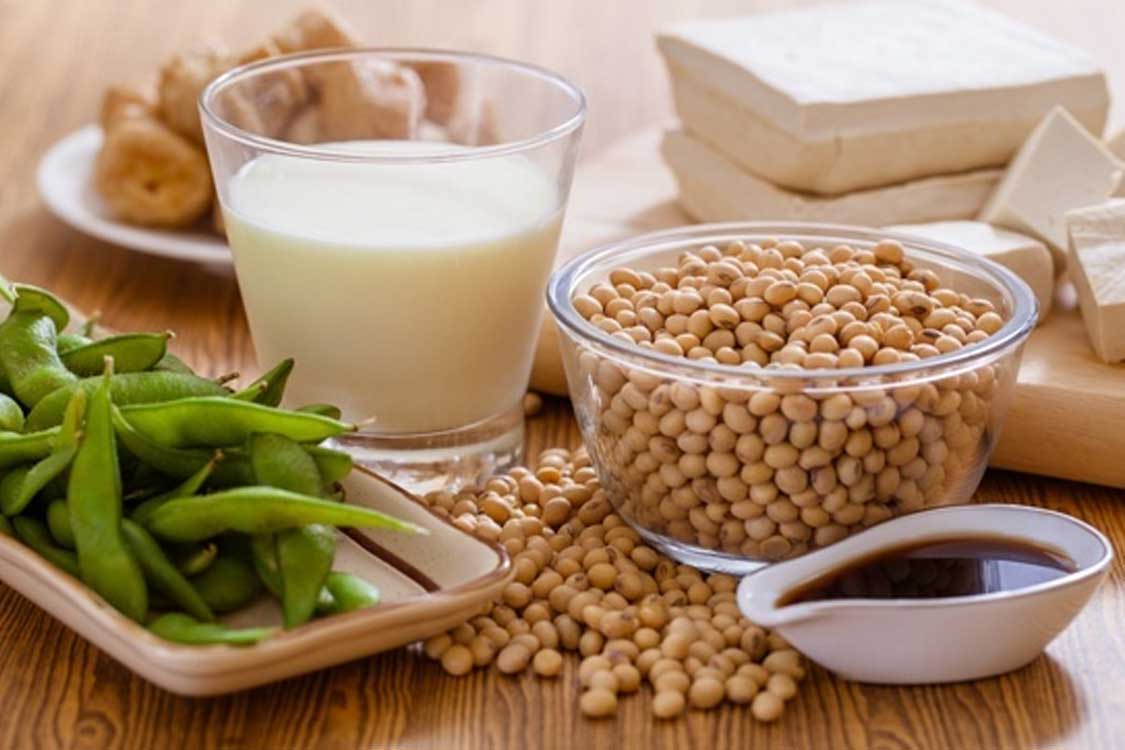
Soybean is a special commodity as it can be processed into various products. The main soy products are food, feed, medicinal / pharmaceutical ingredients and products for industrial purposes.
As a food, soybeans have high nutritional value, as it contains protein, fat, carbohydrates, and many types of vitamins and minerals. It also contains various bioactive compounds beneficial for health.
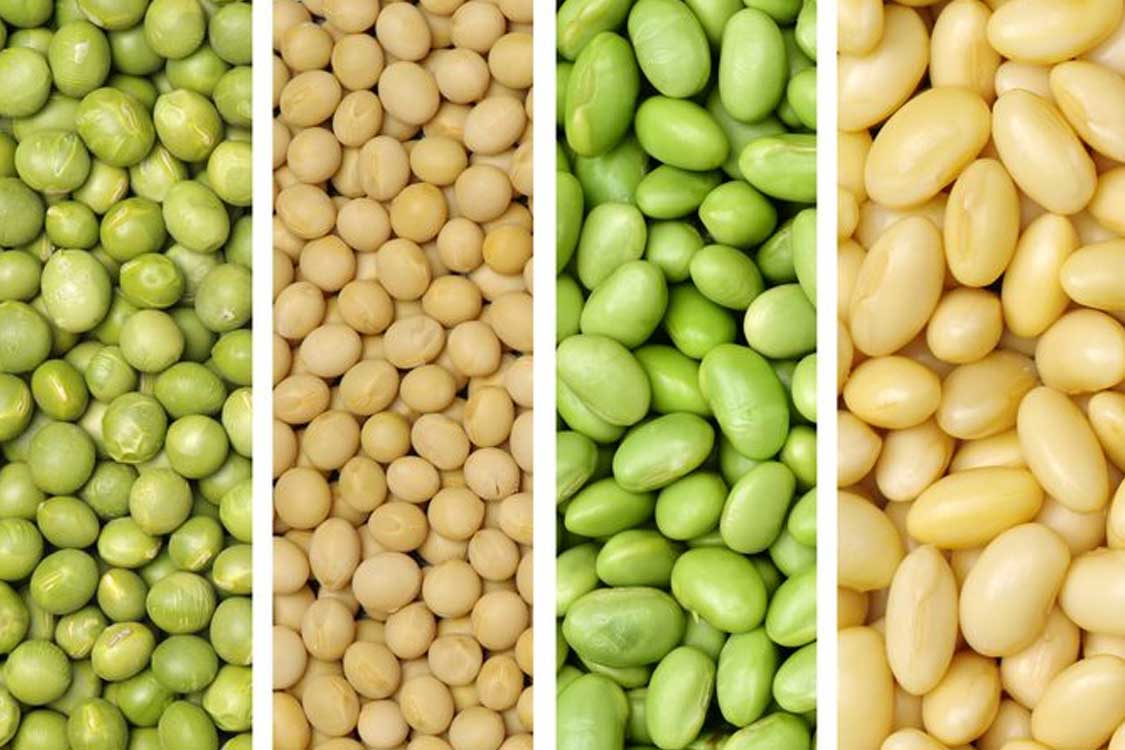
Fresh soybeans (soybean pods are still green) are known as edamame and can be boiled, steamed and consumed as a healthy and enjoyable snack. Edamame can also be added into salads, soups, or sautéed mixed with other vegetables.
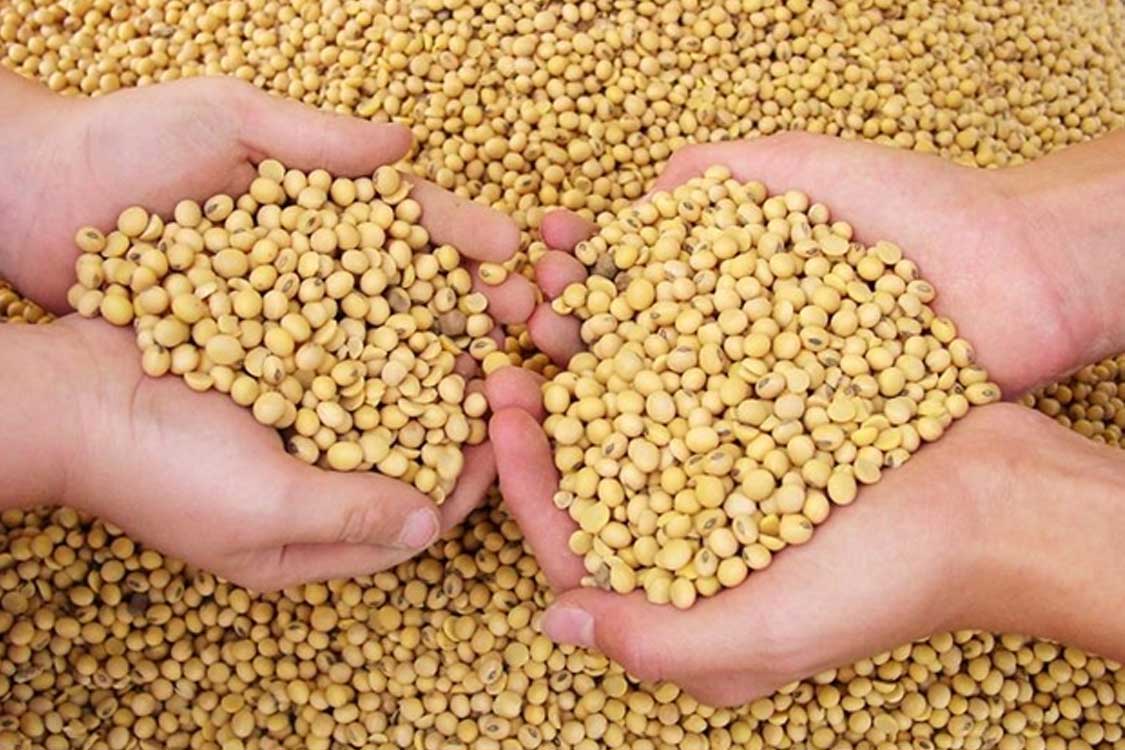
Soybeans are more widely available in the form of dried whole seeds that can be stored for a longer period. Dried soybean seeds may be germinated into soybean sprouts and used as vegetables for in stirred fry dishes, clear soup, or creamy coconut milk based soup. Dried soybean may also be made into soybean powder as a condiment to lontong cap gomeh or steamed sticky rice. To make soybean powder, soybean seeds should be soaked for ± 2 hours, drained, roasted until dry and crushed using a blender.
Dry soybean seeds could be processed further using more complicated processing techniques so that it becomes other soy foods. There are two processing types that are commonly used – fermentation and non-fermentation processes. The fermentation process requires food microbes such as bacteria, mold, or fungi. Fermented foods products made from soybeans include tempe, soy sauce, tauco, miso, natto, doenjang, cheonggukjang, doubanjiang, and others. The fermentation process could take place briefly in a few days (eg tempe, natto) or in a few months (soy sauce, tauco, miso, doenjang).
The main non-fermented soybean food products are tofu and soy milk. Tofu requires soybean with high protein content because the higher the protein, the higher the yields of tofu produced. Several types of coagulant materialsare used in the process of tofu making.
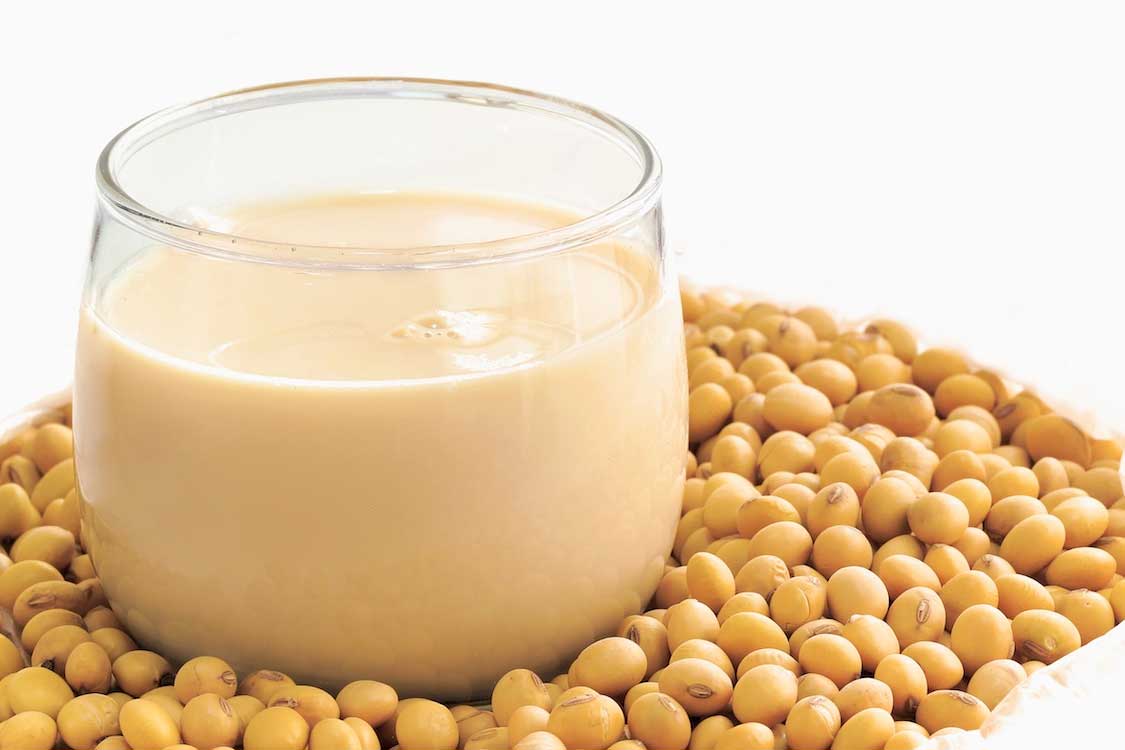
Soy milk also requires whole soybeans with high protein content. This is because soy milk is normally used as a substitute for high protein cow’s milk. Soy milk can be made from whole soybeans (still containing fat) or from soy flour which the oil has been extracted (defatted soy).
Soyfoods can also be processed from texturized vegetable protein (TVP) into various foods as a meat substitute for vegetarians. TVP can also be used as filler in meat preparations, such as sausages, hamburgers, and others.