October 3, 2018
LET’S EXPLORE SOYBEAN NUTRITION
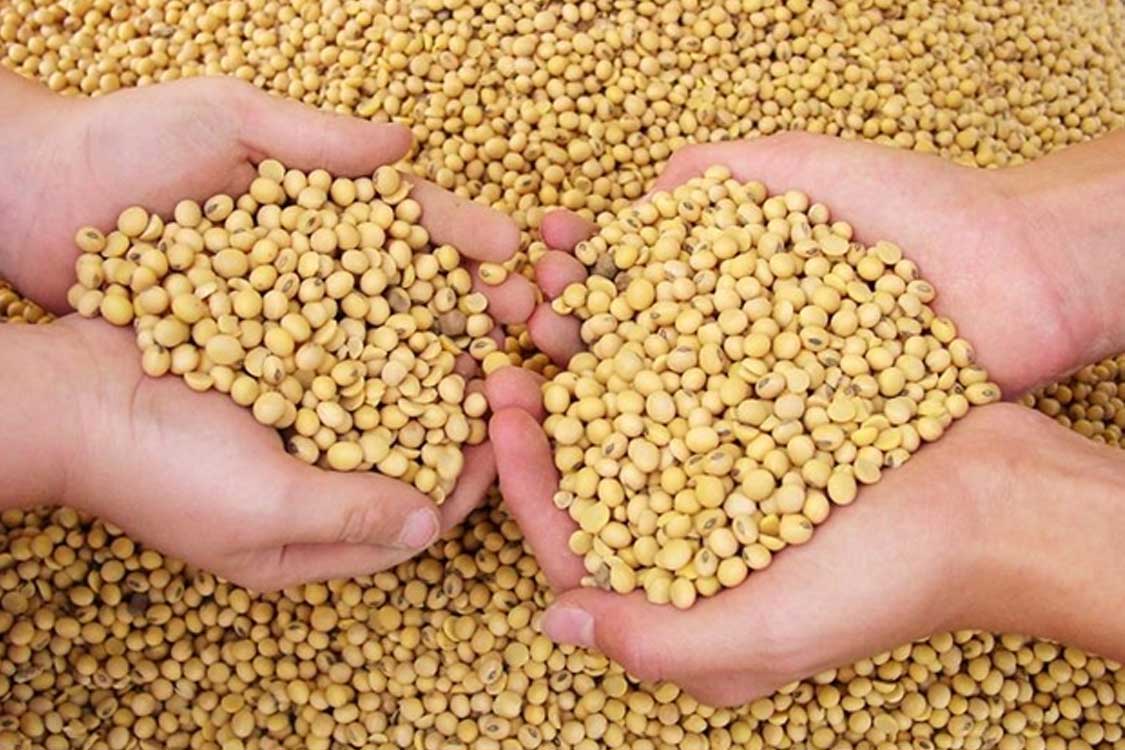
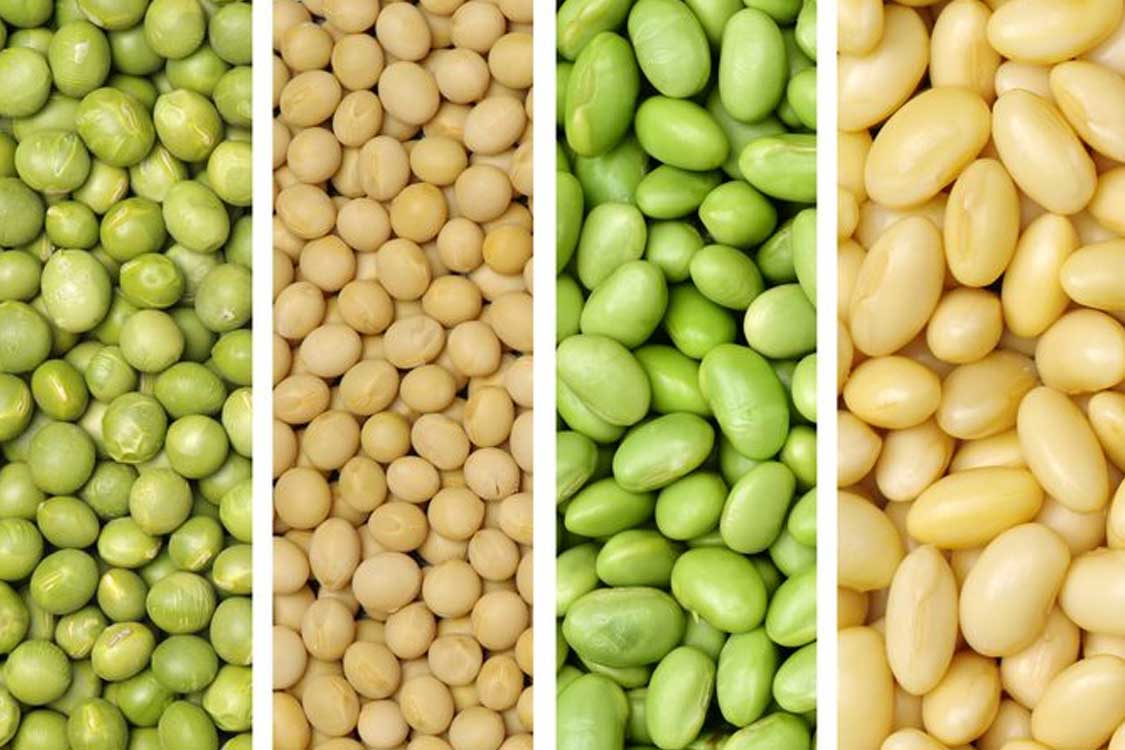
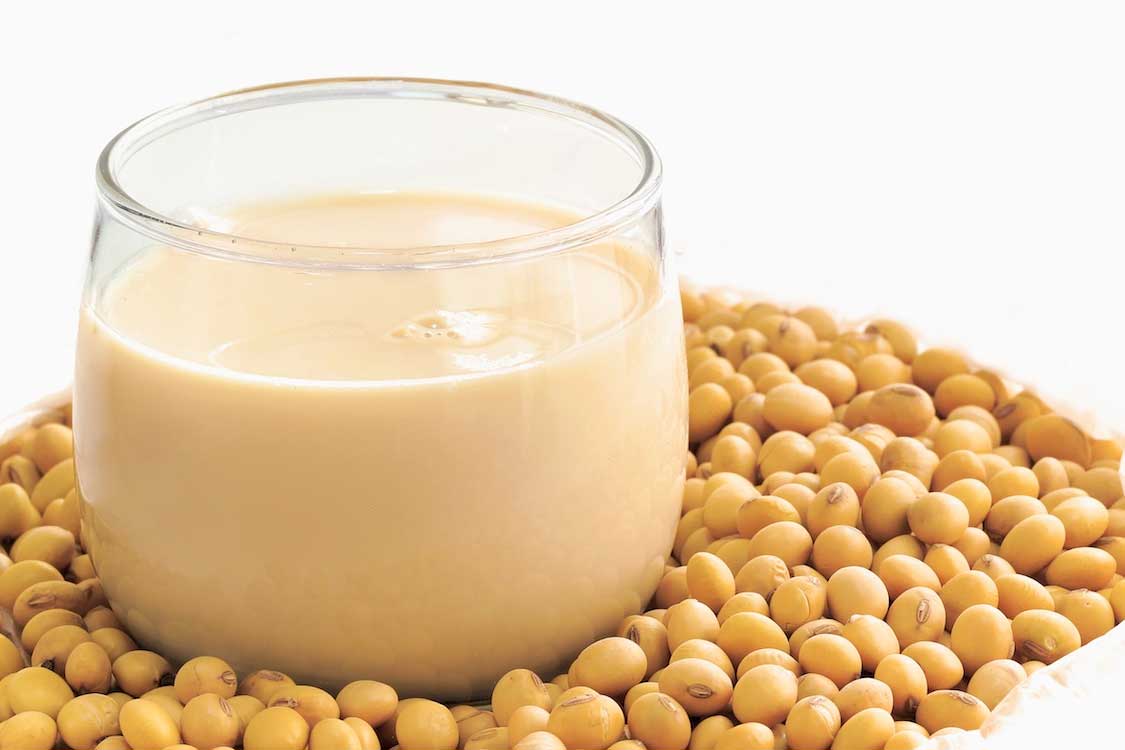
Soybeans are one of the most nutritious food products. The nutrition profile of soybeans is presented in Table 1. Nutrients can be divided into two types, namely macronutrients and micronutrients.
Macronutrients are nutrients needed by the body in large quantities and are a source of energy for the body. Examples of macronutrients are carbohydrates, proteins and fats.
Micronutrients are nutrients needed by the body in small amounts. Examples of micronutrients are various types of vitamins and minerals.
Minerals can be further divided into macrominerals and microminerals (trace minerals) according to the amount of mineral requirements for the body. Macrominerals include calcium, phosphorus, magnesium, sodium, potassium, chlorine and sulfur. Microminerals include iron, zinc, iodine, selenium, copper, manganese, fluorine, chromium and molybdenum.
Vitamins are divided into water soluble vitamins and fat soluble vitamins. Water soluble vitamins are vitamin B1, B2, niacin (vitamin B3), pantothenic acid, biotin, pyridoxine (vitamin B6), folic acid, vitamin B12 and vitamin C. Fat-soluble vitamins are vitamins A, D, E and K.
Table 1. Nutritional composition of soybean per 100 gram
| Nutrients | Unit | Dried soybean | Fresh soybean | Boiled soybean | Soybean sprout, fresh |
| Water | g | 12.7 | 20 | 56.8 | 81 |
| Energy | kkal | 381 | 286 | 189 | 76 |
| Protein | g | 40.4 | 30.2 | 20.2 | 9 |
| Fat | g | 16.7 | 15.6 | 8.2 | 2.6 |
| Carbohydrate | g | 24.9 | 30.1 | 12.7 | 6.4 |
| Fiber | g | 3.2 | 2.9 | 1.6 | 0.7 |
| Calcium | mg | 222 | 196 | 91 | 50 |
| Phosphor | mg | 682 | 506 | 270 | 65 |
| Iron | mg | 10 | 6.9 | 3.9 | 1 |
| Sodium | mg | 210 | 28 | 181 | 5 |
| Potassium | mg | 713.4 | 870.9 | 615 | 212.4 |
| Copper | mg | 1.58 | 1.24 | 1.3 | 0.26 |
| Zinc | mg | 3.9 | 3.6 | 3.7 | 0.7 |
| Vitamin A | mcg | 21 | 4 | 1 | 4.6 |
| Thiamine | mg | 0.52 | 0.93 | 0.2 | 0.23 |
| Riboflavin | mg | 0.12 | 0.26 | 0.04 | 0.19 |
| Niacin | mg | 1.2 | 1.8 | 0.5 | 1.2 |
| Vitamin C | mg | – | – | 0 | 15 |