October 3, 2018
SOY AND GOUT
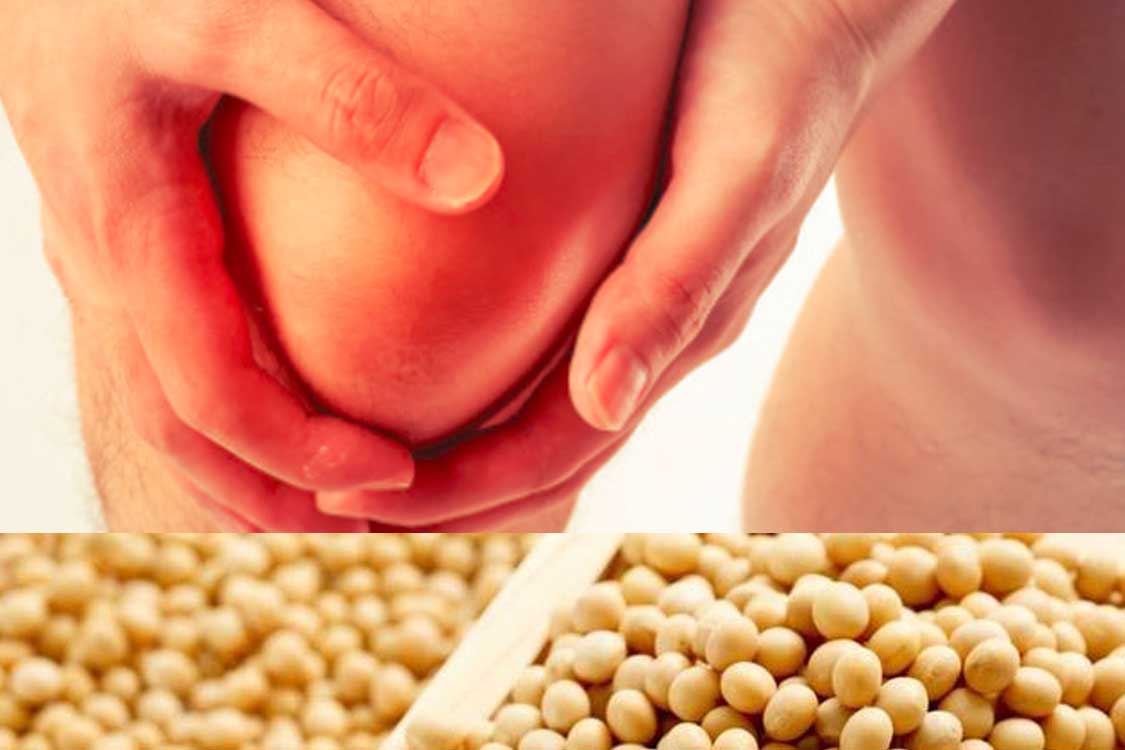
Gout is a common form of inflammatory arthritis which is results from the deposition of monosodium urate acid crystals in tissue and fluids within the body. This process is caused by an over-production or under-excretion of uric acid. Symptoms of gout include a sudden onset of intense pain in one or more joints, usually the big toe, and is often accompanied by redness, swelling, and warmth over the joint.
Diet plays an important role in both increasing the incident of gout and reducing the likelihood of suffering gout attacks. It is well recognized that foods rich in purine increase uric acid levels because uric acid is a by-product of the metabolism of purines.
Traditionally, in Asia, the common perception is that soy foods increase the risk of gout and may potentially precipitate acute attacks in individuals with gout. Interestingly, there has been relatively limited research on the impact of soy food intake on hyperuricemia and gout, despite the marked increase in the prevalence of gout in recent years.
A recent published pooled analysis in 450 postmenopausal women found that long- term soy foods consumption did not increase urate levels. Therefore, the study suggested that soy foods do not need to be restricted over concerns that they might raise urate level.
An epidemiologic study in China investigating the association between high purine foods and protein intake with the prevalence of hyperuricemia also found that there was an inverse association approaching significance between soy food consumption and hyperuricemia.
In addition to those studies discussed above, a review by Messina et al.also showed thatneither the epidemiologic nor clinical data justify that soy intake was associated with circulating uric acid levels, hyperuricemia or gout. Further, there is evidence that soy foods may help to reduce the risk of the comorbidities associated with hyperuricemia and gout.
Recommendations not based on scientific evidence could result in unnecessary and potential harmful dietary restrictions, such as restriction of soy products.Soy productsare an excellent source of good quality protein. In addition, soy consumption has been reported to be associated with lower risks of cardiovascular disease, osteoporosis and even certain cancer.
Therefore, further studies are needed to provide accurate and comprehensive dietary guidelines for individuals with gout.
References: